

Audubon Aquarium Welcomes Diamondback Terrapins
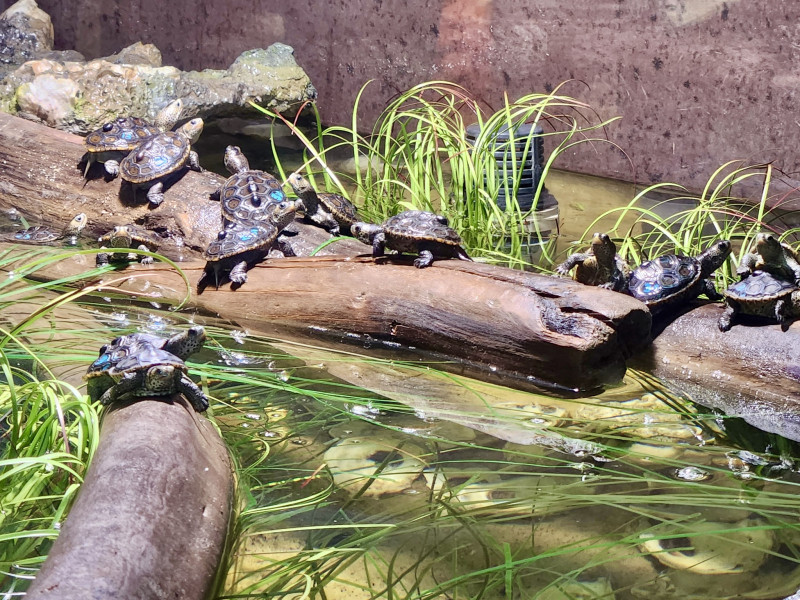
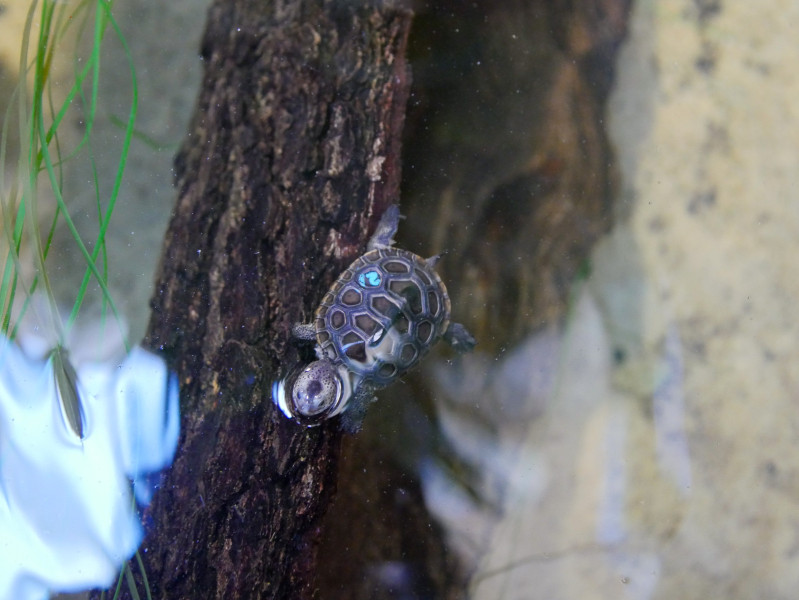
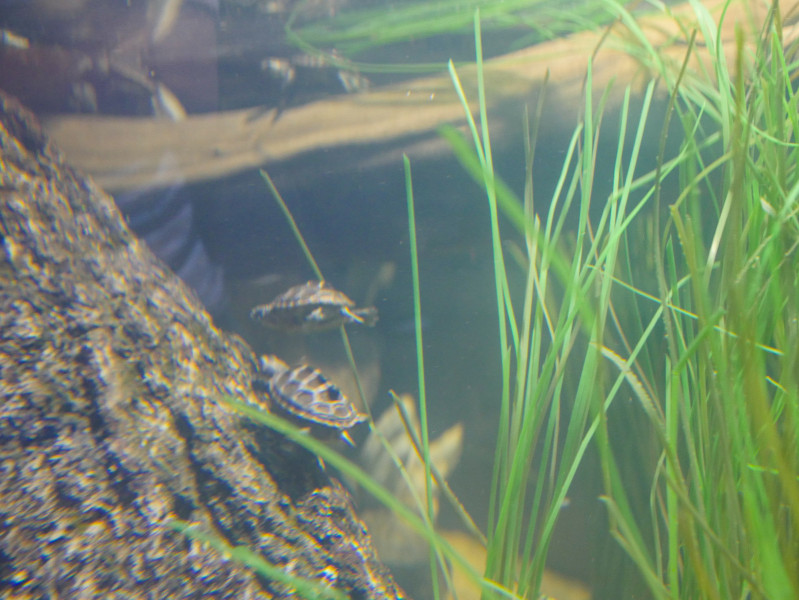
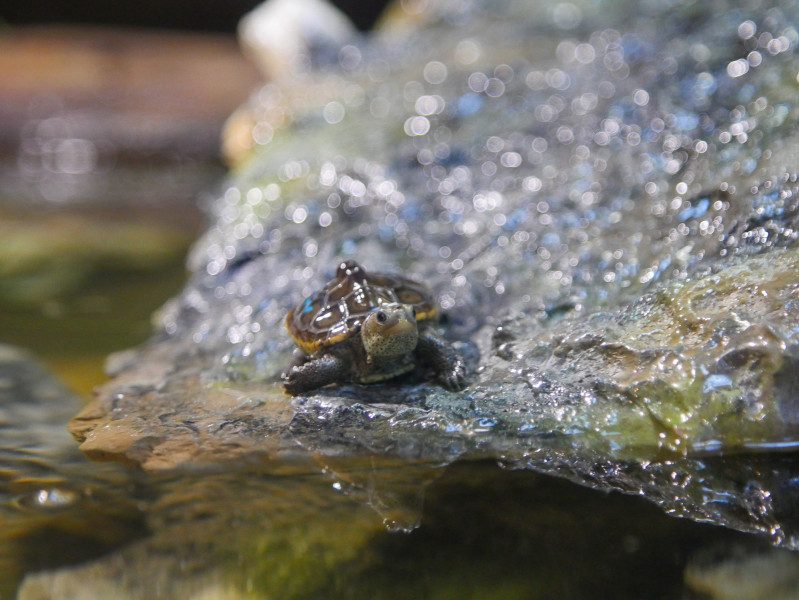
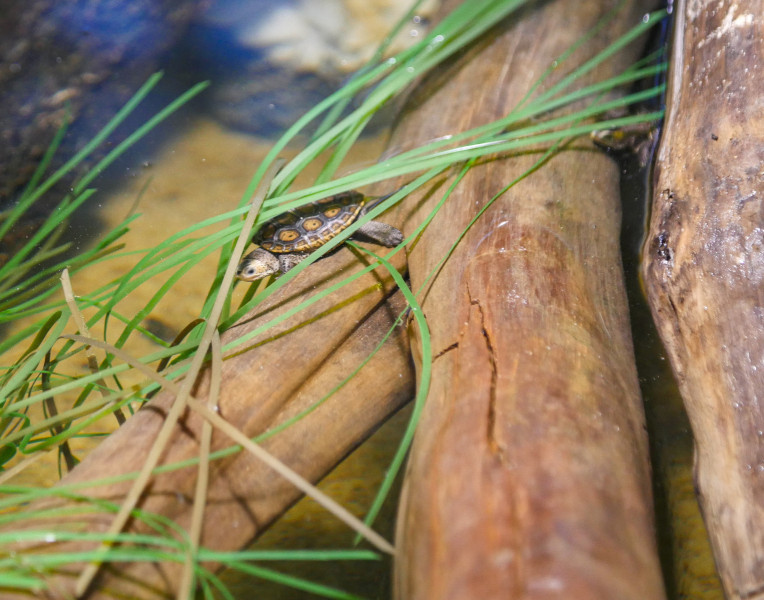
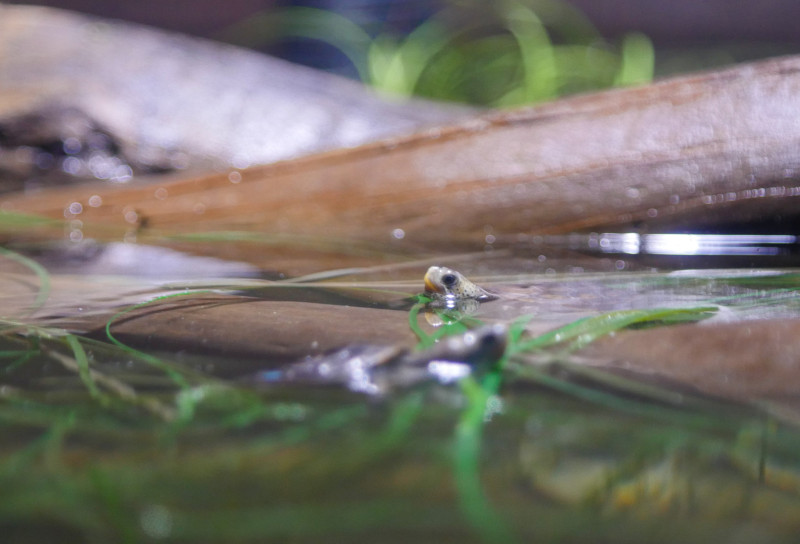
Tiny terrapins are now exploring their new home at Audubon Aquarium. These little hatchlings will spend the next year at the Aquarium gaining weight and getting bigger before they are returned to protected marsh habitat. For now, they can be seen in the Aquarium’s Down the Bayou gallery.
Audubon Aquarium is partnering with Nicholls State University and the Barataria-Terrebonne National Estuary Program in this first-ever terrapin head-start program in Louisiana. This multi-year project will allow Audubon Aquarium to monitor the growth of terrapins and learn more about their behavior at this early life stage, which scientists say is not easy to document in the wild.
The hatchlings came from eggs collected by biologists at Nicholls State University’s Coastal Ecology Lab. These eggs were rescued from road-killed females, disturbed nests, and nests with a low chance of success because of coastal erosion. Diamondback terrapins, which get their name from their rings that resemble diamond facets, are native to the coastal marshes of Louisiana and are considered a vulnerable species. “This head-start program will help raise terrapin past their most vulnerable age” said Dr. Tim Clay of the Coastal Ecology Lab. Very few terrapin hatchlings survive to adulthood in the wild, when young they are often eaten by birds, raccoons, and other animals.
“This partnership and head-start project are important for the conservation of this unique species,” said John Fallon, Audubon Nature Institute’s Director of Sustainability and Coastal Conservation Initiatives. “The survival rate of terrapin hatchlings is extremely low and as they grow they face many threats here in Louisiana, like habitat loss and derelict fishing gear. Every one we can raise and release will benefit the future of terrapin in the state.”
The project is funded through a grant from the Barataria-Terrebonne National Estuary Program, whose mission is to preserve the 4.2 million acres included in the Barataria – Terrebonne estuarine system and its cultural, economic, and natural resources. “Learning more about the growth and survival rates of diamondback terrapins that live in the estuary helps us determine ways to protect this species and its natural habitat for future generations,” said Michael Massimi, BTNEP’s Invasive Species and Marine Programs Coordinator. “This unique partnership with Nicholls State University and Audubon Aquarium gives us a chance to monitor these terrapins from very young hatchlings to adulthood, providing us with key information to shape future plans for managing the estuary.”