

Critically Endangered Okapi Calf Born at Freeport-McMoRan Audubon Species Survival Center
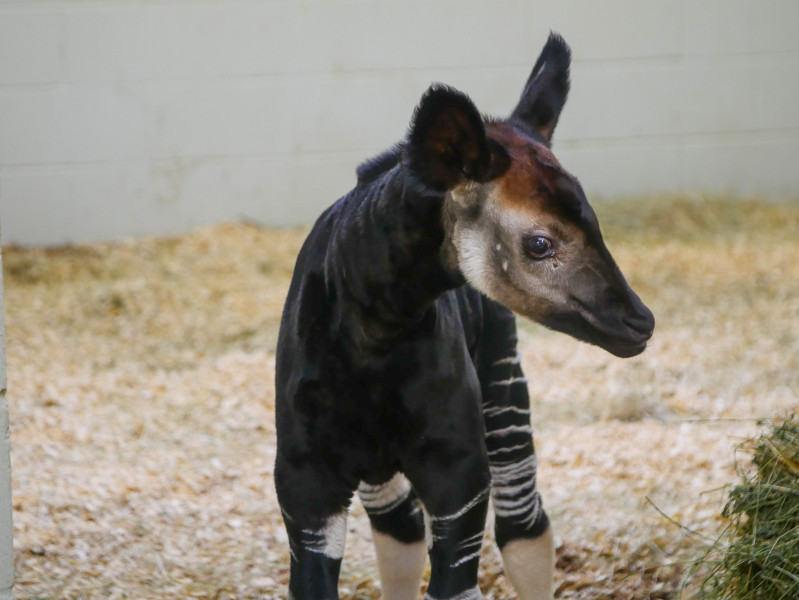
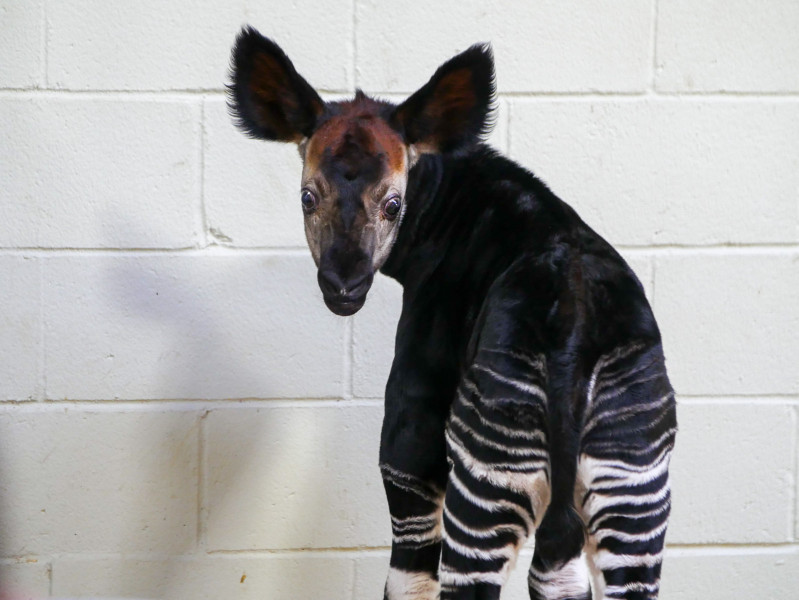
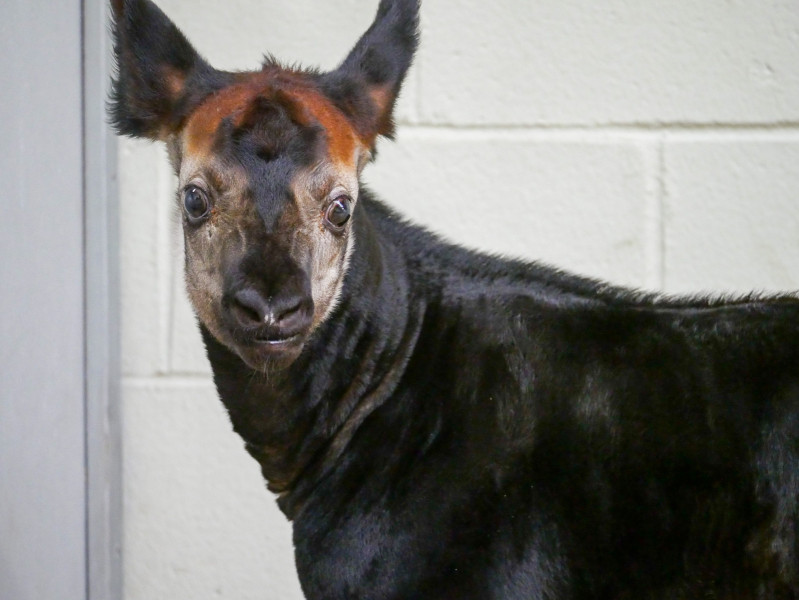
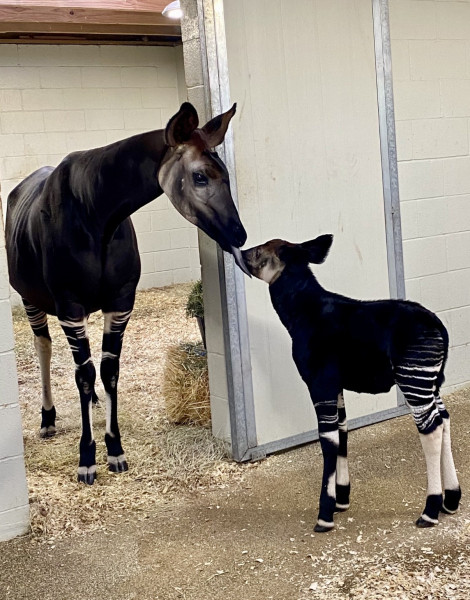
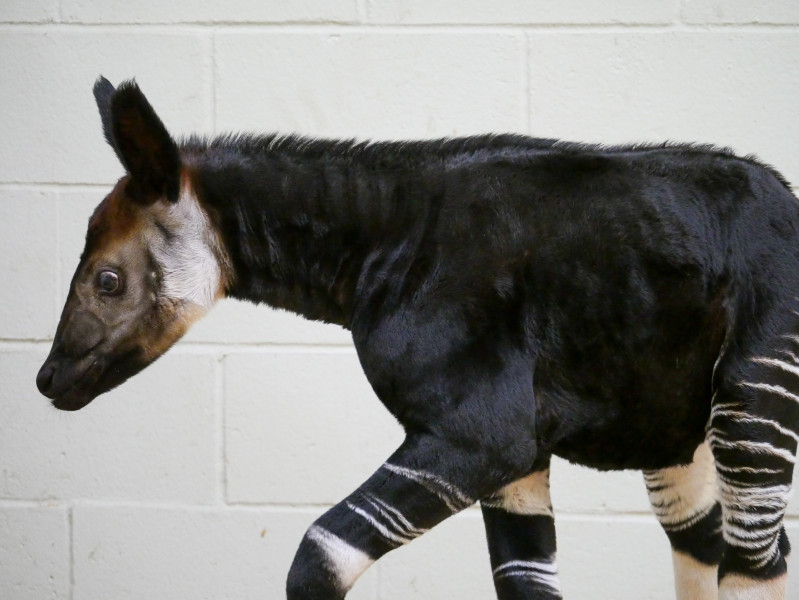
Audubon Nature Institute is celebrating the birth of a critically endangered okapi calf at the Freeport-McMoRan Audubon Species Survival Center.
The calf was born January 19, 2026, and is the first okapi calf born in the United States this year, and only the second okapi calf ever born at the Audubon center. Her parents are eight-year-old Asili and 16-year-old Kikari. With only a few okapi born every year, each birth is a significant milestone to sustain this critically endangered species.
Okapi, found only in the Ituri Rainforest in the northeastern Democratic Republic of Congo, are one of the most elusive species on the planet. Although they are the closest relatives to the giraffe which are highly social animals, this species prefers to live a solitary life.
“There are only 90 okapi in zoos in the United States and only five calves were born in U.S. zoos last year. We don’t know how many okapi still exist in the wild, making this and every okapi birth extremely important,” said Michelle Hatwood, Freeport-McMoRan Audubon Species Survival Center General Curator. “There is a strong connection between okapi in zoos and okapi in the wild; everything we learn about okapi in human care can help support the protection of those animals in the wild.”
The okapi keepers at the West Bank facility will be keeping a close eye on both calf and mom in the next few months to make sure the new calf hits all her growth and developmental milestones. Her primary keeper, Jen Cain, says the youngster is spending her time nesting in her barn while mom is outside foraging. “We are waiting to see what kind of personality the calf has before giving her a name. So far, she is sassy and playful while her mom is being attentive to her. She is also learning to trust the human keepers responsible for her care when mom isn’t nearby.”
This is the second calf born at Audubon Species Survival Center. In 2022, Asili’s first pregnancy resulted in the birth of a female calf. Unfortunately, due to an untreatable congenital defect, that calf only survived for a few short months. However, the team expects the new calf to continue to thrive.
Audubon has participated in the Species Survival Plan (SSP) for okapi, overseen by the Association of Zoos & Aquariums (AZA), since 2017. Audubon Nature Institute is a committed supporter of the Okapi Conservation Project, a wholistic project that has been supporting okapi conservation since 1987. There are five adult okapi at Audubon Species Survival Center with 26 acres for them to roam and specialized facilities for their care.
In the wild, okapi are threatened due to illegal hunting, mining, and other human encroachment in their habitat, as well as loss of habitat due to deforestation.