

Rare Okapi Pregnancy at Freeport-McMoRan Audubon Species Survival Center
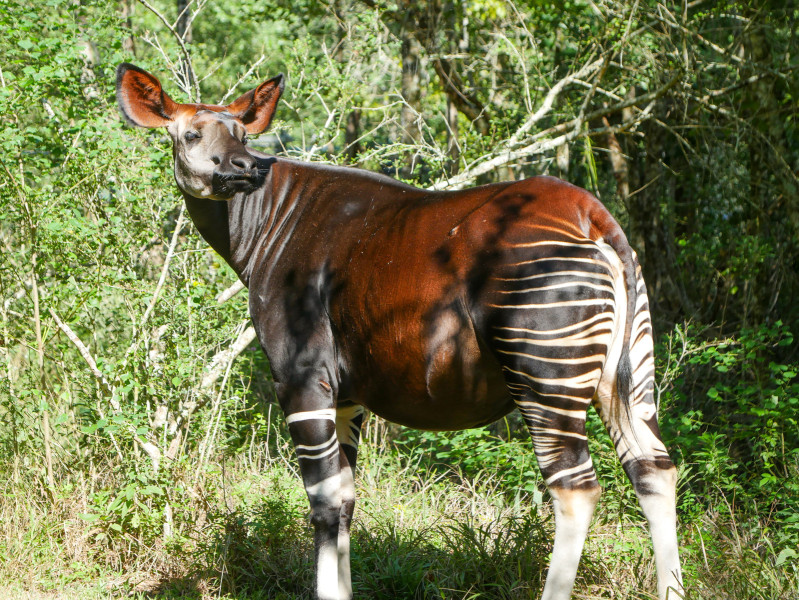
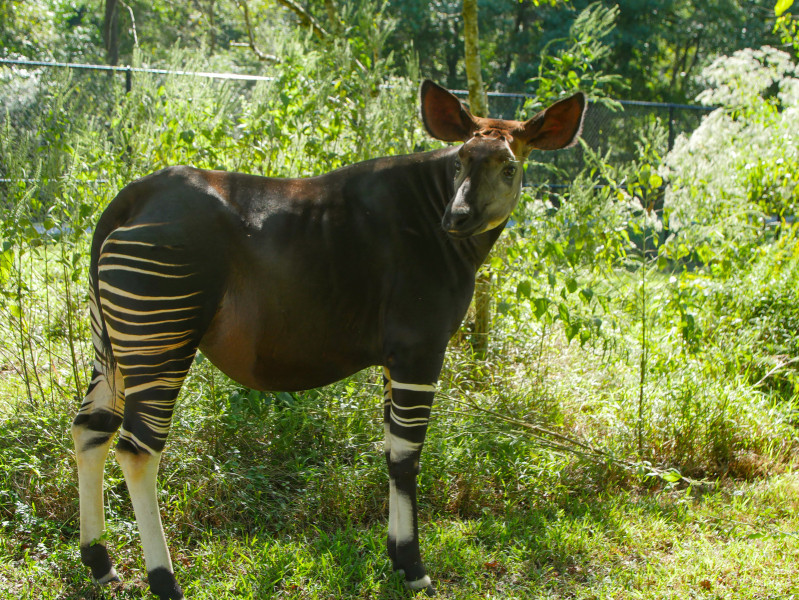
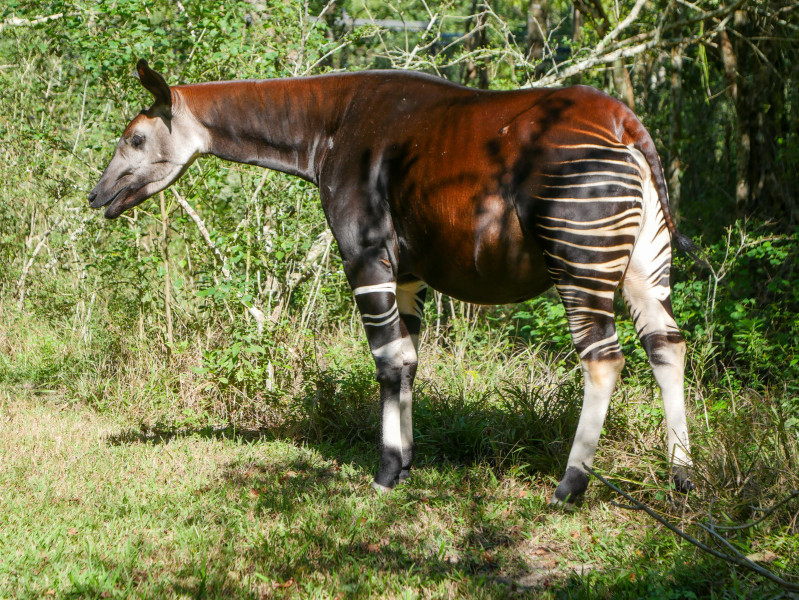
Audubon Nature Institute has an exciting announcement to make on World Okapi Day. One of the endangered okapi at the Freeport-McMoRan Audubon Species Survival Center is pregnant!
Eight-year-old Asili is due to give birth to her second calf sometime at the end of the year following a near 14-month pregnancy. The father of Asili’s calf is 10-year-old Miraq, this will be his first calf. Okapi are listed as Endangered on the International Union for Conservation of Nature (IUCN) Red List of Threatened Species. Okapi are shy, solitary animals, native to the dense forests in the Democratic Republic of Congo.
Okapi are the only living relative of giraffe and are sometimes called “forest giraffes”. They are considered one of the world's oldest mammals, but because of their solitary nature and ability to avoid detection, scientists did not describe these animals until 1901 and, even a hundred years later, very little is known about them.
Asili’s first pregnancy resulted in the birth of a female calf in 2022. Unfortunately, due to an untreatable congenital defect, that calf only survived for a few months. As with all newer mothers, the animal care team is monitoring this pregnancy closely and will be watching via a camera system, during the birth process to ensure the safety and health of both mother and calf. Now that Asili is an experienced mother, the team expects the new calf to thrive.
Audubon has been participating in the Species Survival Plan (SSP) for okapi, overseen by the Association of Zoos & Aquariums (AZA), since 2017. There are five okapi at Audubon Species Survival Center with 26 acres for them to roam and specialized facilities for their care.
In the wild, okapi are threatened due to illegal hunting, mining and other human encroachment in their habitat, as well as loss of habitat due to deforestation.
Scientists say there is no accurate accounting of okapi in the wild, but the estimates are grim. The number of okapi in the wild is believed to have dropped by 50% in the past twenty years, making this pregnancy at Audubon extremely important for the survival of the species.
Next week, Audubon is hosting the International Okapi Meeting. Conservation leaders from eight countries and 31 zoos will gather to discuss efforts to protect these endangered animals.